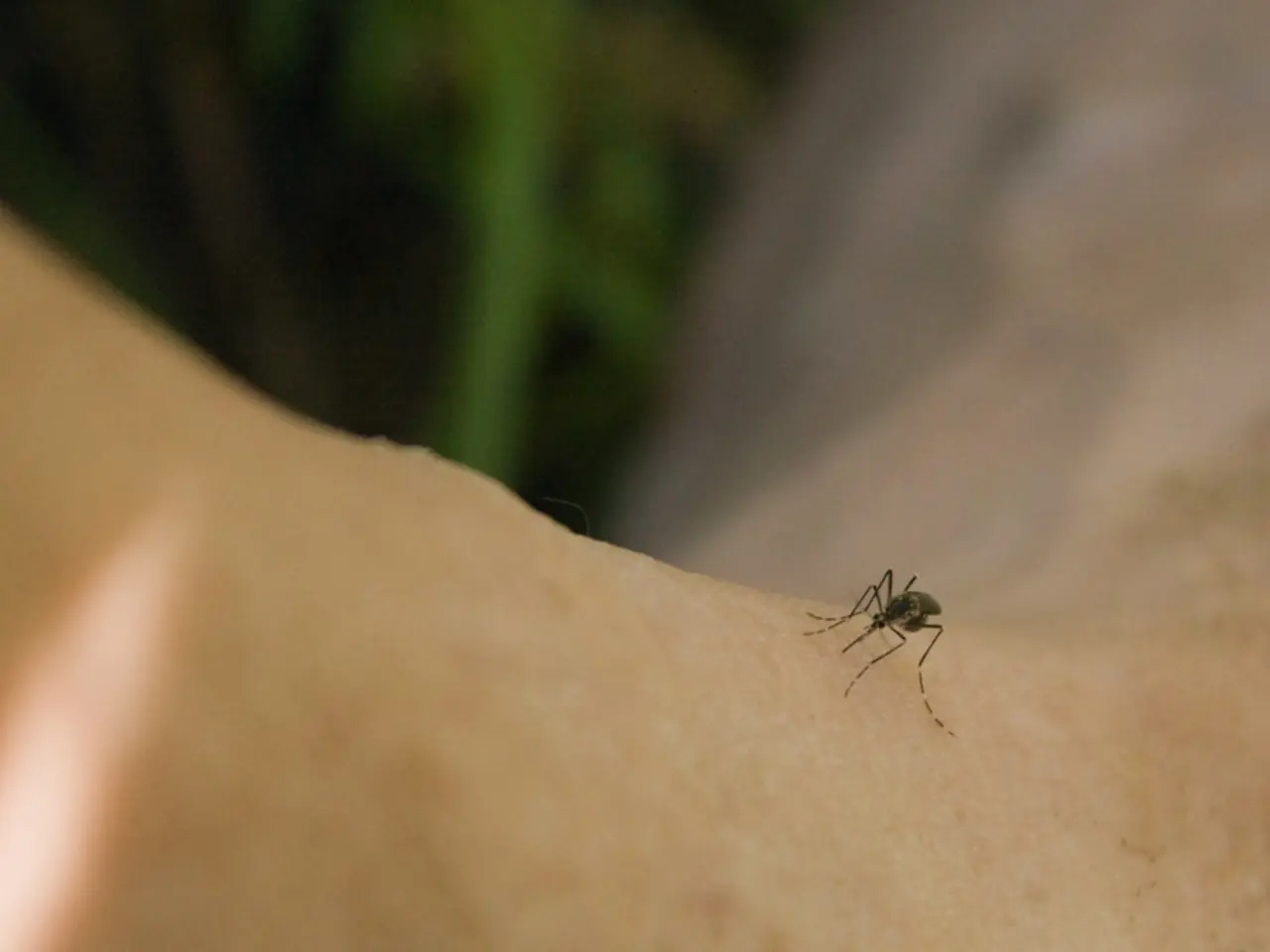
World Health Organization Announces Suriname's Malaria-Free Status
In a significant public health victory, Suriname, a country in the Amazon region, has been declared malaria-free by the World Health Organization (WHO). This milestone marks the end of a decades-long battle against the mosquito-borne disease, which has claimed countless lives worldwide.
The WHO's declaration comes after Suriname has not reported any cases of malaria for at least three years, meeting the organization's criteria for malaria-free certification. This achievement is particularly noteworthy given that approximately 263 million people in 83 countries contracted malaria in 2023, according to WHO estimates.
The elimination of malaria in Suriname is a major achievement in global health, reducing the global malaria burden and setting an example for other countries to follow. The Pan American Health Organization's Director, Jarbas Barbosa, stated that Suriname did everything necessary to eliminate malaria, and the methods used by the country may serve as a model for other nations to emulate.
Malaria in Suriname was particularly prevalent among miners in remote rainforest areas. To combat this, Suriname employed a strategic, adaptive, and people-focused approach that combined early detection, rapid treatment, community engagement, and targeted vector control measures adapted to its diverse ecological zones.
Key strategies that led to Suriname's success include early control focused on coastal areas, extension to forested interior and indigenous communities, tailored interventions by ecological zone, detection and rapid treatment of every case, community engagement and health worker deployment, distribution of insecticide-treated mosquito nets, strong political, financial, and cross-sectoral support, international partnerships, and maintaining a people-centered approach.
Initial symptoms of malaria include fever, headache, and body aches, as well as diarrhea. In 2023, malaria resulted in an estimated 597,000 deaths, mostly children under five years old. Suriname's efforts included prompt identification and treatment of each malaria case, conducting research to prevent spread, and engaging the community.
The WHO's statement confirms Suriname's elimination of malaria, but does not mention any specific model for other countries to follow. However, the country's comprehensive, multi-decade strategy offers valuable insights into effective malaria elimination strategies. Suriname continues vigilance to prevent reintroduction and sustain its malaria-free status.
The WHO has not explicitly stated the number of years Suriname has not reported any malaria cases for, after the elimination. The declaration by the WHO is a testament to Suriname's commitment to public health and disease control, and a beacon of hope for other countries striving to eliminate malaria.
The WHO's declaration of Suriname as malaria-free signifies a significant advancement in medical-conditions, particularly health-and-wellness, given the countless lives lost worldwide to malaria. The strategies employed by Suriname, such as early detection, rapid treatment, community engagement, and targeted vector control measures, serve as an example for other countries to implement in their science-based approaches to managing medical-conditions like malaria.