Preferring a continuous vegetable harvest during winter? Here's a list of winter vegetables to cultivate for a prolonged yield period.
In the heart of autumn, as the leaves begin to change and the days grow shorter, it's time to think about winter vegetable gardening. Whether you're a seasoned gardener or just starting out, growing winter vegetables can provide a bounty of fresh produce throughout the colder months.
Leeks, for instance, can be grown from multi-sown modules or individual plants, sown early April and planted by the end of June. Some winter-hardy varieties to consider include 'Bandit', 'Husky', and 'Apollo'. For squash lovers, winter squash should be sown mid-April undercover, planted by the end of May, and harvested from mid-September once fruits are full colour and have hard skins. 'Uchiki Kuri' is a recommended variety for cooler areas.
Parsnips, a root vegetable, should be sown directly from March to May, 5cm apart, in rows 35cm apart.
Kale, a staple in many winter gardens, can be both perennial and annual. Perennial varieties are easy to grow and productive, while annuals like 'Red Russian', 'Cavolo Nero', 'Hungry Gap' or 'Thousand Head' should be sown in June to be planted in July, and should be planted 45cm apart.
Maintaining soil fertility is crucial when growing winter vegetables. The soil should have a friable tilth good for plantings and capable of slowly releasing nutrients through the year. Weed your plot thoroughly or mulch with cardboard before feeding the soil with a 3-5cm layer of well-composted organic matter.
According to Charles Dowding, a renowned no-dig gardening expert, the best winter vegetables to grow in a no-dig garden include kale, overwintering onions, charred lettuce, and salad onions. He recommends sowing these in late summer, such as August, to produce autumn and winter crops. These vegetables thrive in no-dig systems and can be grown undercover (e.g., in a poly tunnel) or outdoors, depending on your conditions.
When it comes to no-dig gardening with these crops, the emphasis is on maintaining healthy soil life to support growth without tilling. Dowding also suggests covering beds with mulch and cardboard layers to suppress weeds and retain soil moisture, which benefits overwintering crops.
While other no-dig vegetables may survive mild winters, these listed are specifically favoured by Charles Dowding for reliable winter harvests in a no-dig garden. It's wise to grow a few extra plants to fill unexpected gaps due to weather, failed sowings, and pests. Early weeding is key, and should be done on a dry afternoon in March and repeated in April. Harvest parsnips during winter as required.
Purple sprouting broccoli can be sown as late as June and should be planted 60cm apart. Its unique, sweet flavour makes it a welcome addition to any winter meal.
Remember, the key to a successful winter vegetable garden lies in careful planning, timely planting, and attentive care. With a little effort, you can enjoy the rewards of fresh, homegrown produce even in the depths of winter. Happy gardening!
[1] Dowding, C. (2021). Charles Dowding's No-Dig Garden. Permanent Publications. [2] Dowding, C. (2020). The Square Foot Garden Revolution. Permanent Publications.
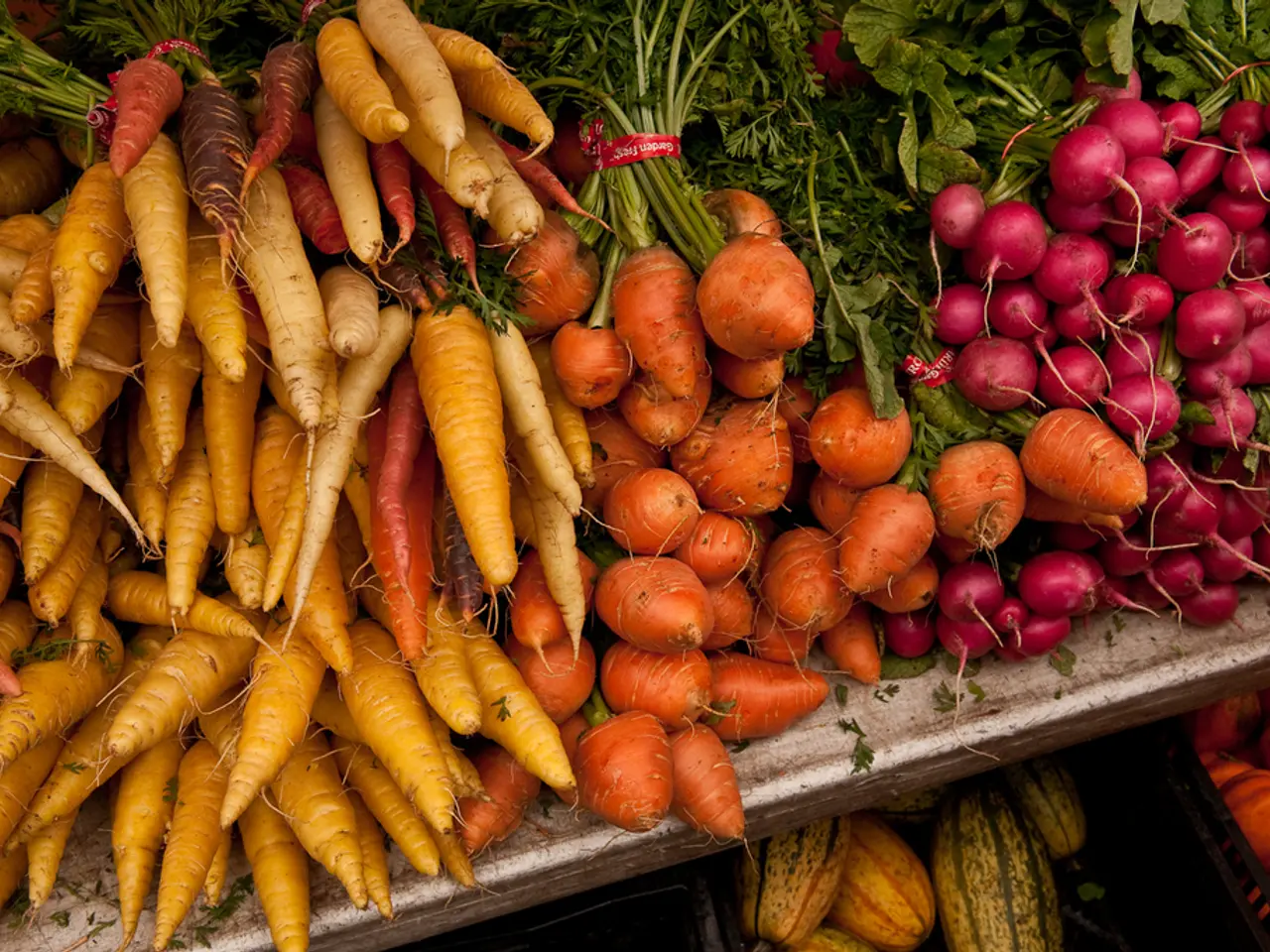
- Winter squash, leeks, parsnips, kale, and purple sprouting broccoli are examples of vegetables that can be grown during winter months for a continuous supply of fresh produce.
- 'Bandit', 'Husky', and 'Apollo' are winter-hardy varieties of leeks that are suitable for winter vegetable gardening.
- 'Uchiki Kuri' is a recommended winter squash variety for cooler areas, as it can be sown mid-April undercover, planted by the end of May, and harvested from mid-September.
- Soil fertility is crucial when growing winter vegetables, and a layer of well-composted organic matter can help maintain soil health and nutrient levels.
- Charles Dowding, a no-dig gardening expert, recommends growing kale, overwintering onions, charred lettuce, and salad onions in a no-dig garden, and sowing these in late summer for autumn and winter crops.