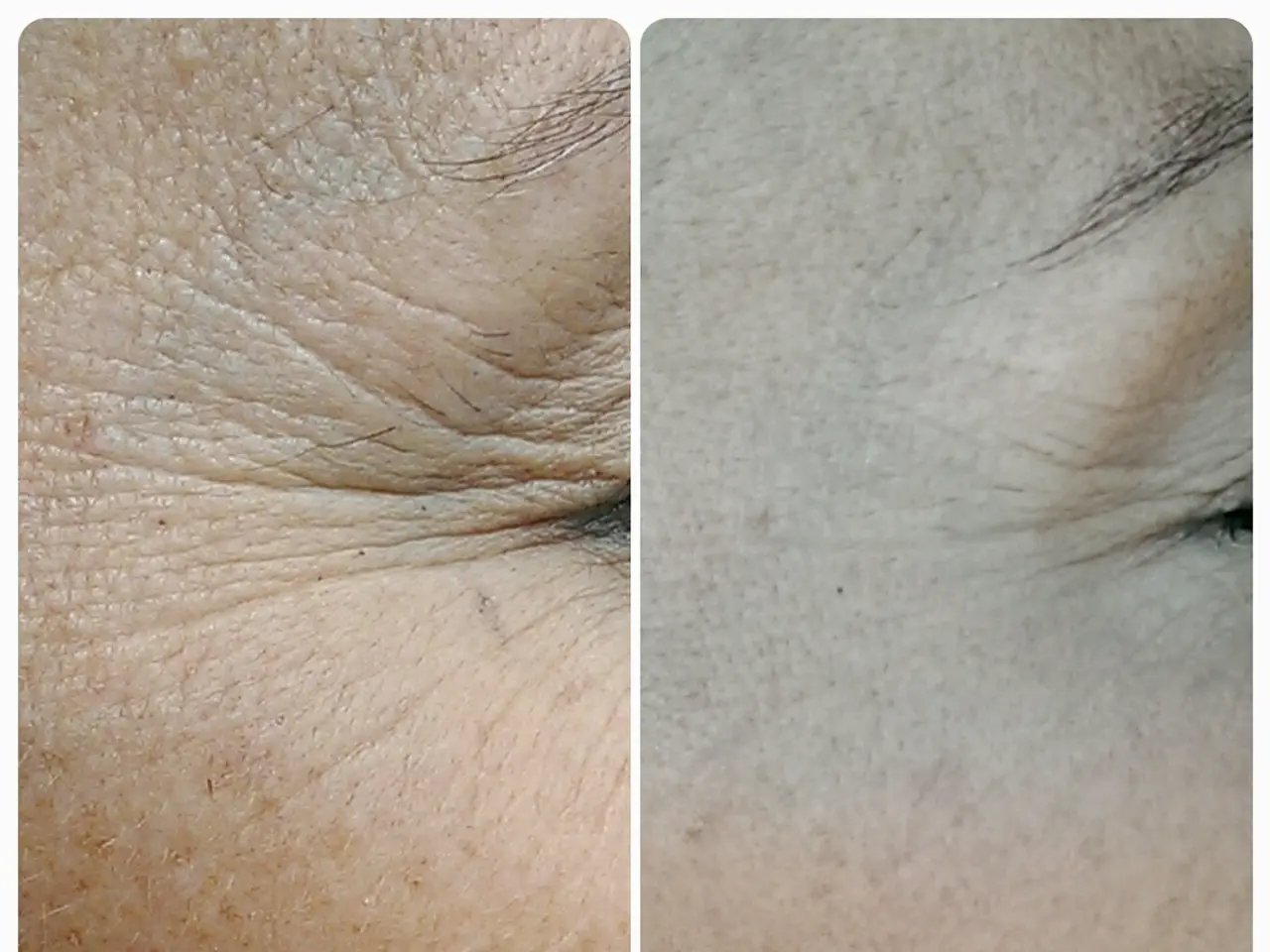
Inequality in Skin Smoothness and a Lackluster Complexion Might Indicate an Uneven Skin Structure – Exploring the Causes and Remedies
Uneven skin texture is a common concern that many individuals face, and it can be caused by a variety of factors. Skin experts agree that the main causes of uneven skin texture include congestion and blemishes, dead skin cell buildup, slower cell turnover as we age, dry or dehydrated skin, and barrier disruption.
One of the most common culprits is dead skin cell buildup, which can clog pores and lead to rough patches. This issue can be exacerbated by environmental stressors, harsh skincare products, and over-exfoliation. As a result, the skin may become inflamed, sensitive, and prone to unevenness.
Sun damage and aging are also significant contributors to uneven skin texture. As we age, our skin produces less collagen and elastin, leading to a loss of elasticity and the appearance of wrinkles. Additionally, sun damage breaks down collagen and elasticity, causing the skin to become rough and uneven.
Congestion and blemishes, such as acne scars or clogged pores, can also lead to uneven skin texture. Blemishes and acne can cause uneven texture at all points of the blemish cycle. Skin experts like Dr Beibei Du-Harpur and Anastasia Koles often see clients with irregular surfaces from post-acne scarring. Blocked or inflamed pores can leave behind bumps, scarring, or rough patches.
For those with blemish-prone skin, products containing salicylic acid, niacinamide, and low percentage retinoids can help exfoliate pores, calm redness, ease oil production, and speed up cell turnover. Overuse of punchy ingredients, however, can weaken the skin barrier, making it important to use healing products like centella asiatica, colloidal oatmeal, or barrier repair creams with ceramides and panthenol.
For dry skin, nourishing products containing ceramides, squalane, or shea butter can help soften and smooth the skin. Dehydrated skin needs hydration, and the key ingredients for achieving that are hyaluronic acid and glycerin.
Slower cell turnover as we age leads to a buildup of dead skin cells on the skin's surface, causing the complexion to appear textured and dull. To combat this, skin experts recommend using topical treatments like medical-grade exfoliants, retinoids, niacinamide, and peptides to stimulate cell renewal and collagen production.
In addition to topical treatments, maintaining skin hydration is essential for improving texture. Regular use of SPF is also crucial for preventing further damage from sun exposure. For those seeking more intensive treatments, in-office procedures such as chemical peels, laser resurfacing, microneedling, and medical-grade exfoliation offer deeper exfoliation and collagen remodeling for smoother skin texture.
Treating underlying causes like acne or hyperpigmentation (which can co-occur with uneven texture) is also important. Ingredients such as hydroquinone or tailored dermatologic treatments can help address these issues.
Early intervention and consistent care from dermatologists or skin experts optimize results, as treatments are adapted to the cause and skin type for long-lasting improvement. Customized skincare regimens combining exfoliation, hydration, and renewal tailored to the individual's skin and concerns are key to achieving smooth, even skin texture.
- To address uneven skin texture from dead skin cell buildup, consider using skin-care products that contain exfoliating ingredients like salicylic acid, niacinamide, and low percentage retinoids, while also being mindful not to overuse them to prevent skin barrier disruption.
- For those with dry skin, focusing on nourishing products containing ceramides, squalane, or shea butter can help soften and smooth the skin, while also addressing dehydrated skin with hydrating ingredients like hyaluronic acid and glycerin.
- In women's health, hormonal imbalances or pregnancy can cause changes in skin texture, and addressing underlying issues like acne or hyperpigmentation through treatments like hydroquinone or tailored dermatologic care is essential for long-lasting improvement.
- To achieve the smooth, even skin texture desired in health-and-wellness and travel experiences, individuals should maintain a consistent skincare routine combined with customized topical treatments for exfoliation, hydration, and renewal, and seek early intervention and regular professional advice from dermatologists or skin experts.